
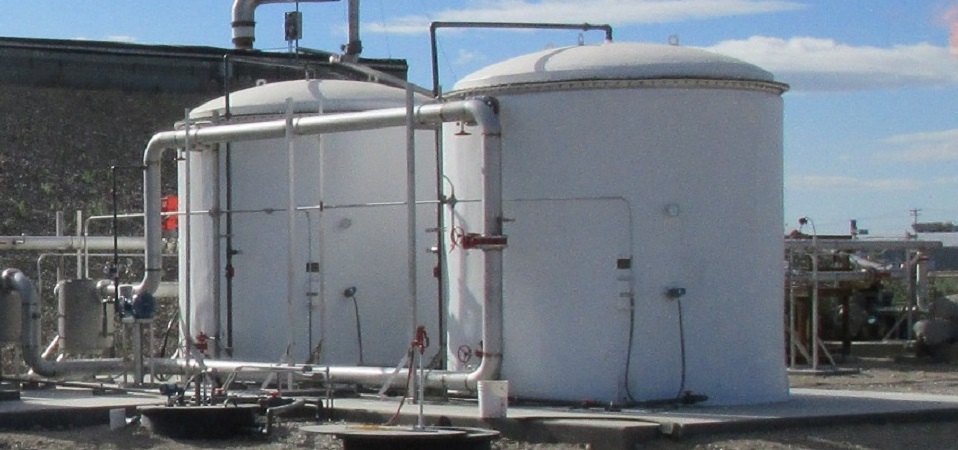
Identifying the Causes of H₂S Accumulation in Digesters and How to Control It
Anaerobic digesters are critical components in municipal wastewater treatment, converting organic solids into stabilized sludge and biogas. However, H₂S accumulation in digesters can compromise safety, reduce biogas quality, and corrode system components.
Understanding why H₂S builds up in anaerobic digesters is the first step toward effective odor control, corrosion prevention, and regulatory compliance.
Why H₂S Builds Up in Digesters
1. Sulfate-Rich Feedstocks
Digesters processing sludge with high sulfate content provide abundant substrate for sulfate-reducing bacteria, resulting in increased H₂S in both liquid and gas phases.
2. Anaerobic Conditions Favor H₂S Production
Digesters are intentionally anaerobic to promote stabilization, but this environment is ideal for H₂S generation. If not controlled, H₂S can accumulate in biogas and cause corrosion in pipes, storage tanks, and engines.
3. Insufficient Gas Scrubbing
Digesters producing biogas require effective H₂S removal systems. Without proper chemical dosing or media-based scrubbers, H₂S levels can quickly exceed safe thresholds.
4. Temperature and Retention Time Variations
Digesters that fluctuate in temperature or hydraulic retention time can create hotspots of bacterial activity, leading to localized spikes of H₂S that compromise overall gas quality.
5. Microbial Community Imbalances
Imbalances in digester microbial populations, sometimes caused by feedstock changes, can enhance sulfate-reducing bacteria growth relative to methane-producing microbes, increasing H₂S output.
Impacts of High H₂S in Digesters
- Accelerated corrosion of biogas piping, valves, and engines
- Reduced methane yield due to inhibitory effects on methanogens
- Safety risks from toxic H₂S exposure
- Odor issues if biogas is vented or released
Proper H₂S management in digesters is essential to maintain reliability, safety, and compliance.
How to Control H₂S in Anaerobic Digesters
Implement Engineered H₂S Management Solutions
Modern digesters integrate media-based scrubbers, chemical dosing systems, and monitoring tools to control H₂S levels effectively.
Key steps include:
- Regular monitoring of H₂S in biogas and liquid streams
- Installing high-performance H₂S removal media
- Integrating control systems with SCADA for real-time feedback
- Evaluating feedstock sulfate content and adjusting treatment accordingly
Conclusion
High H₂S in anaerobic digesters is a common but manageable challenge. By understanding the underlying causes and deploying engineered H₂S management solutions, wastewater facilities can:
- Protect infrastructure and equipment
- Maintain biogas quality
- Ensure regulatory compliance
- Improve operational safety
Proactive H₂S control ensures digesters operate efficiently, safely, and sustainably.