
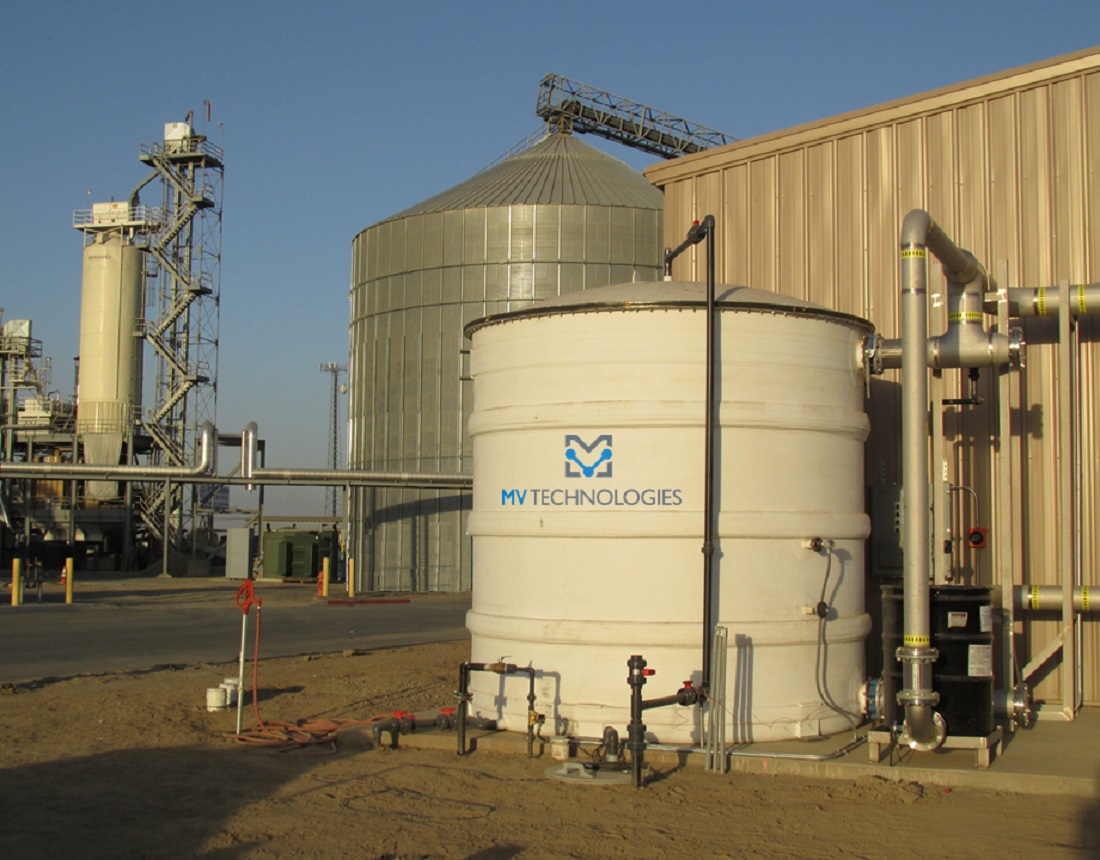
Why Aging Odor Control Systems Are Creating a Major Opportunity Across California
Across California, wastewater treatment plants, pump stations, and industrial facilities are facing a growing and unavoidable challenge: aging hydrogen sulfide (H₂S) scrubbers that are no longer meeting operational or regulatory expectations.
Many of these systems were installed 20 to 30 years ago. At the time, they met design standards and regulatory requirements. Today, however, operators are dealing with equipment that is inefficient, difficult to maintain, unsupported by original manufacturers, or simply incapable of meeting modern air quality and safety regulations.
The result is a statewide wave of H₂S scrubber replacement projects—and a significant opportunity for facilities to modernize odor control while improving reliability and compliance.
Why So Many California H₂S Scrubbers Are Being Replaced
1. Infrastructure Installed Decades Ago Is Reaching End of Life
California experienced a major buildout of wastewater and industrial odor control infrastructure in the 1990s and early 2000s. Many H₂S scrubbers installed during that period are now:
- Structurally degraded
- Inefficient at higher H₂S loading rates
- Built around outdated media or chemical processes
- Costly to maintain due to discontinued parts or service support
In some cases, original equipment manufacturers are no longer producing comparable systems, leaving operators with limited options beyond full replacement.
2. Regulatory Pressure Is Increasing — Not Decreasing
California’s regulatory environment continues to tighten around:
- Air toxics and odor emissions
- Worker safety and exposure limits
- Community odor complaints and enforcement actions
- Documentation, monitoring, and reporting requirements
Legacy scrubbers that once passed inspections may now struggle to demonstrate compliance. This is especially true for systems that lack modern monitoring, redundancy, or performance guarantees.
For many facilities, replacement is no longer a “nice to have” — it is the most practical path to long-term compliance.
3. Municipal and Utility Projects Are Actively Rebuilding Old Assets
A growing number of California projects involve retrofits and replacements, not greenfield construction. Facilities are:
- Replacing outdated packed-bed or chemical scrubbers
- Upsizing systems to handle increased flows and higher H₂S concentrations
- Standardizing odor control designs across multiple sites
- Planning phased replacements as part of long-term capital improvement programs
These projects often have longer timelines, higher documentation requirements, and more stakeholders — but they also offer larger budgets and higher expectations for performance.
The Hidden Cost of Keeping an Old H₂S Scrubber
Continuing to operate an aging H₂S scrubber often creates compounding risks:
- Rising chemical or media consumption
- Unplanned downtime and emergency repairs
- Increased odor complaints from surrounding communities
- Compliance risk if performance cannot be verified
- Difficulty integrating with modern plant controls or SCADA systems
At some point, replacement becomes more cost-effective than continued patchwork maintenance.
MV Technologies’ Approach to Modern H₂S Scrubber Replacement
MV Technologies specializes in engineered odor control solutions designed for modern regulatory environments. Our systems are increasingly selected as replacement solutions for aging scrubbers because they address the exact challenges California facilities are facing.
Designed for Retrofit and Replacement Projects
Our H₂S control systems are engineered to:
- Integrate into existing footprints and piping layouts
- Minimize downtime during switchover
- Accommodate future flow increases
- Meet or exceed current air quality requirements
This makes them well suited for brownfield upgrades and phased capital projects.
Proven Performance with Modern Media and Controls
MV Technologies offers advanced solutions including:
- High-performance H₂S removal media systems
- Chemical and biological odor control technologies
- Real-time monitoring and performance validation
- Remote visibility and diagnostics through MVNets™ platforms
These capabilities allow operators to demonstrate compliance, not just assume it.
Built for Long-Term Support and Lifecycle Value
One of the key drivers behind scrubber replacement projects is the lack of OEM support for older systems. MV Technologies designs systems with:
- Readily available components
- Clear maintenance procedures
- Scalable designs for future expansion
- Long-term service and technical support
This ensures facilities are not facing the same replacement problem again in another 10–15 years.
Looking Ahead: Replacing Old H₂S Scrubbers Is Becoming the Norm
The trend is clear: California facilities are actively replacing aging H₂S scrubbers, driven by infrastructure age, regulatory demands, and operational realities. For operators, the decision is less about whether to replace — and more about choosing a solution that will remain compliant, supported, and effective well into the future.MV Technologies is positioned to help facilities navigate this transition with proven, modern H₂S odor control systems designed for today’s regulatory environment and tomorrow’s demands.